You can rank for the right keyword and still get poor results. That happens more often than most site owners think.
Your page gets impressions, but clicks stay low. Visitors land on the page, then leave quickly. Leads and sales do not move.
Example: you target best email marketing tools with a basic definition article. Google often ranks comparison lists, reviews, and tool roundups instead.
Or you target buy office chair online with a blog post. Users usually want product pages, prices, and fast checkout options.
This is where keyword intent helps. It shows what people actually expect when they search. When your content matches that need, rankings, clicks, and conversions often improve.
Keyword intent is the reason behind a search query. It shows what a person wants after typing a phrase into Google. That could be learning something, comparing options, or making a purchase.
Google tries to rank pages that match that goal. This is why two keywords in the same niche can show very different search results.
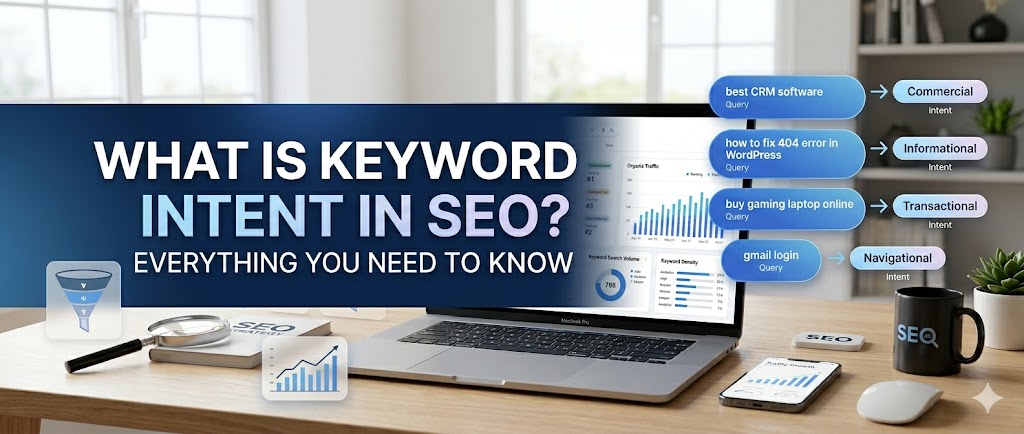
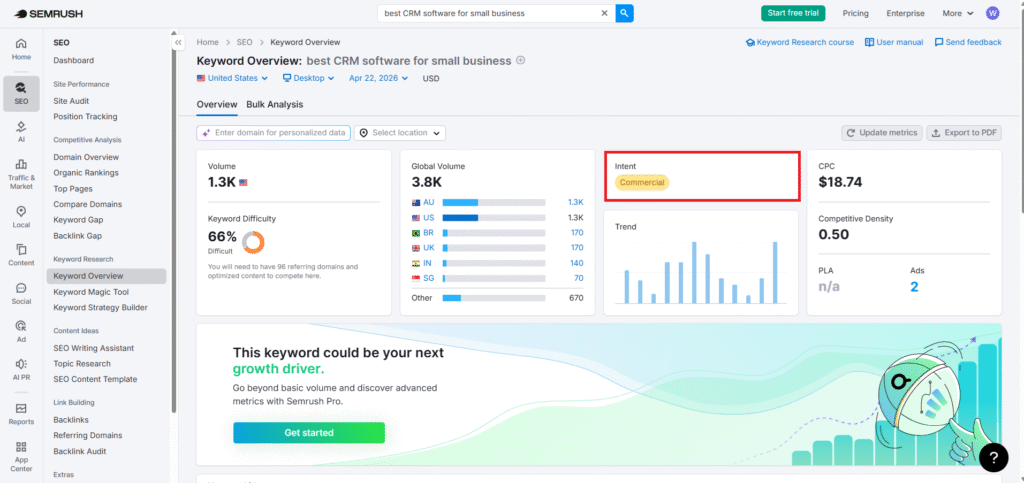
For example, search best CRM software for small business. You will usually see comparison posts, reviews, and software lists. Searchers here want options, not a basic definition page.
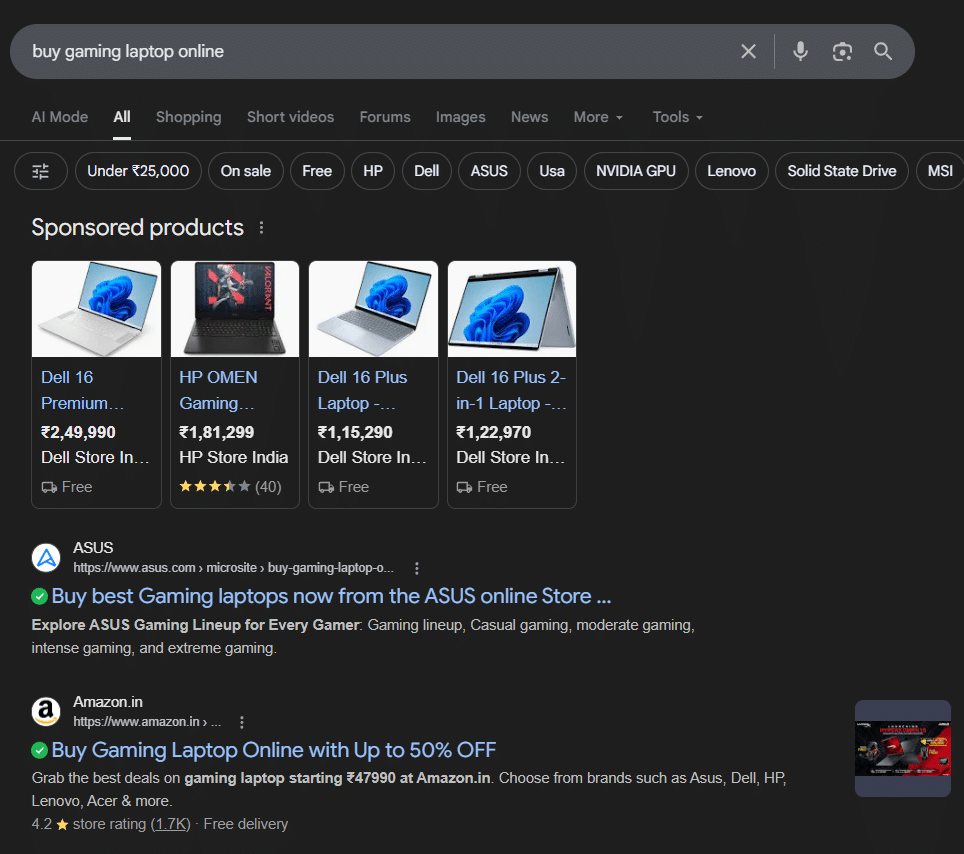
Now search buy gaming laptop online. Results often show product pages, prices, offers, and shopping listings. The user is much closer to taking action.
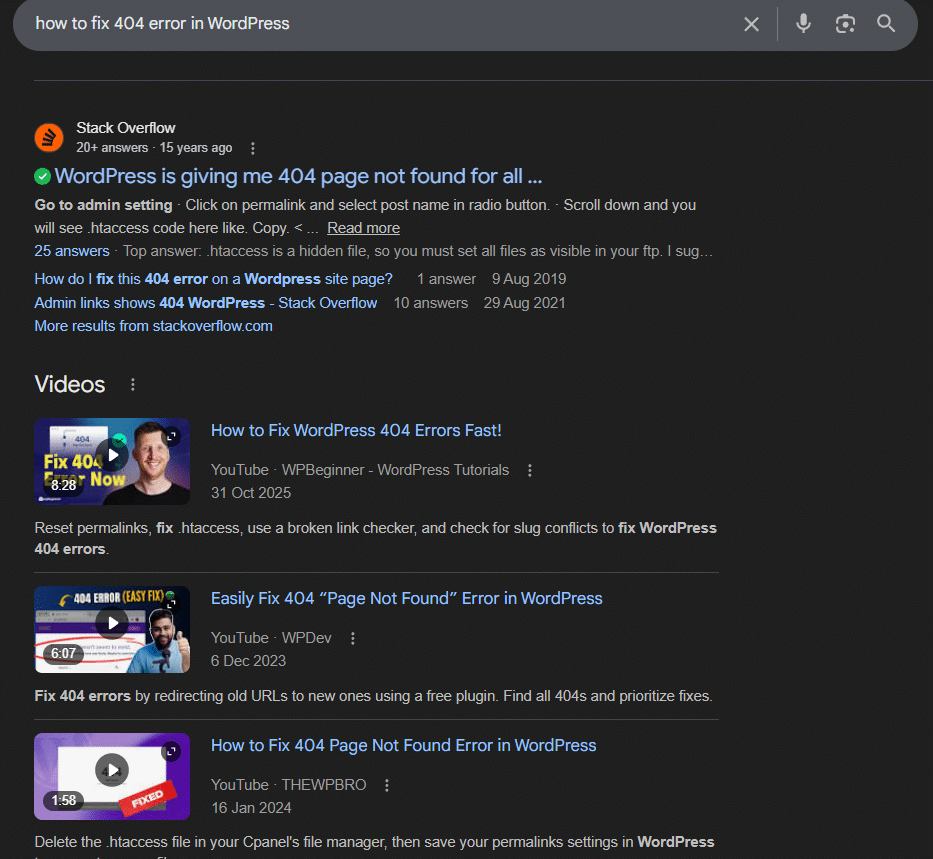
Search how to fix 404 error in WordPress and you will often see tutorials, help forums, and step-by-step guides. Here, people need a solution fast.
If your content does not match that intent, rankings can be hard to hold. Even if users click, they may leave quickly.
When intent and content align, you often get:
In simple terms, keyword intent helps you create the page users already want.
Most keywords fall into four main intent categories. Each one reflects a different stage of user decision-making. When you understand these types, it becomes easier to choose the right content format and improve SEO performance.
Informational intent appears when users want to learn something or solve a problem. They are looking for answers, instructions, or explanations rather than products. Google often ranks blog posts, tutorials, videos, and help guides for these searches.
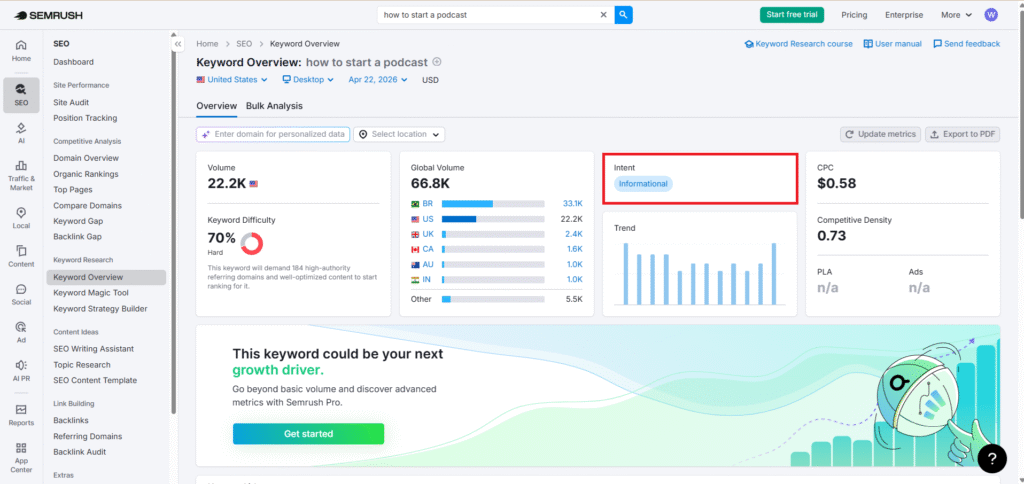
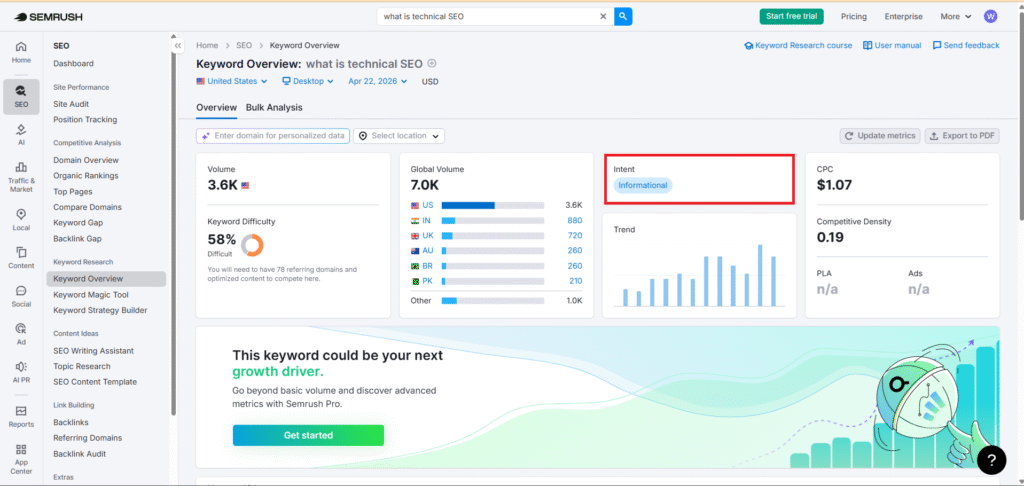
For example, someone searching how to fix 404 error in WordPress likely wants a step-by-step solution. A user searching what is technical SEO wants a clear explanation. In the same way, how to start a podcast usually leads to beginner guides and setup articles.
Navigational intent means the user already knows which website or brand they want to visit. Instead of typing the full URL, they use Google to reach it faster. Search results for these keywords usually feature official brand pages.
For example, users searching Semrush login want direct access to their account. Someone searching OpenAI blog is trying to reach a specific page. A query like WordPress pricing shows similar intent.
Commercial intent appears when users are considering a purchase but want to compare choices first. They are close to buying, yet still evaluating features, prices, or reviews. Google often ranks comparison articles, product lists, and review pages here.
For example, a search for best CRM software for small business usually shows ranked lists and expert comparisons. A keyword like Ahrefs vs Semrush clearly signals comparison intent. Likewise, best podcast microphone under $100 suggests a buyer researching options before spending money.
Transactional intent shows that the user is ready to take action. They may want to buy a product, book a service, or hire a provider immediately. Search results often include ecommerce pages, service pages, and shopping listings.
For example, someone searching buy gaming laptop online likely wants product options with prices. A user typing hire SEO consultant is looking for service providers. Similarly, buy Blue Yeti microphone signals strong buying intent and usually leads to product pages.
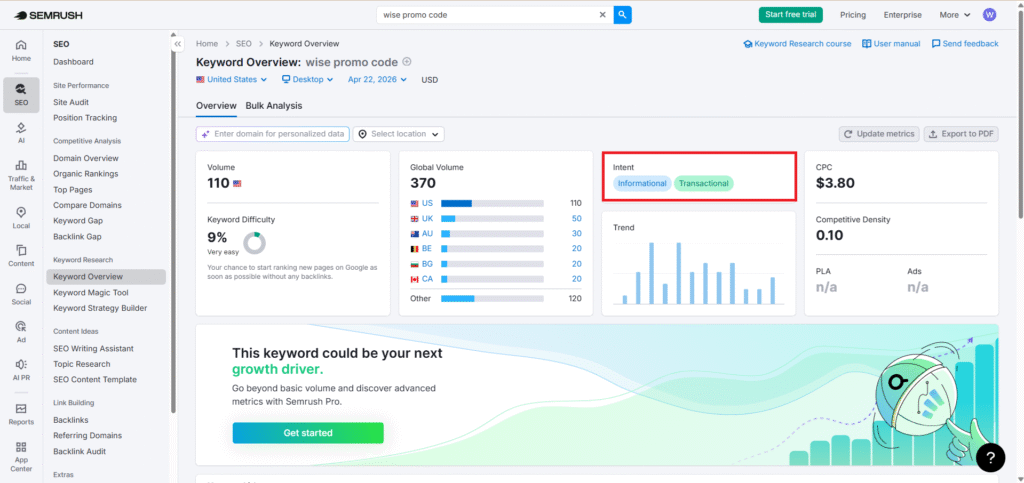
Many marketers try to label intent by reading the keyword alone. That can work for simple queries, but it often fails on broader terms. The stronger method is to combine search results, keyword clues, and page-type analysis before creating content.
Google usually shows user intent through the pages it ranks highest. Search your target keyword and review the first page carefully.
For example, if you search best email marketing software, you will often see ranked lists, review articles, and side-by-side comparisons. That usually points to commercial intent because users are comparing options.
If you search book dentist appointment near me, results often include map listings, local clinics, and booking pages. That usually reflects transactional or local intent.
If you search how to compress images for website speed, results often include tutorials, tools, and setup guides. That usually signals informational intent.
Titles alone do not tell the full story. Open the top-ranking pages and inspect how they are structured.
Look for repeating patterns such as comparison tables, calculators, product collections, videos, or long tutorials. If most top pages use one format, Google likely sees that format as the best fit for the query.
Some words often hint at intent, although they should support research rather than replace it.
Keywords using how, tips, or tutorial often lean informational. Queries using best, top, or review often lean commercial. Searches using buy, discount, or book now often lean transactional.
Always confirm with live results because modifiers are not perfect signals.
When you manage many keywords, SEO tools can save hours of manual work. Platforms like Semrush, Ahrefs, and Moz often classify keywords into intent groups.
That helps when building content calendars or topic clusters at scale.
Search features often reveal intent before you click any result.
Featured snippets and People Also Ask boxes often appear for learning queries. Shopping results often appear for purchase-focused terms. Map packs usually show for nearby services and local businesses.
Do not force every keyword into the same template. A research keyword may need a comparison article, while a service keyword may need a landing page.
When content format matches search intent, users stay longer and conversions often improve.
Intent can change as trends, products, and user behavior shift. A keyword that once ranked blogs may later favor tools, videos, or product pages. Review valuable keywords regularly and adjust your content strategy when search results change.
Keyword intent becomes far more useful when linked with the marketing funnel. It helps you understand what users need at each buying stage and what content should move them forward.
Not every visitor is ready to purchase today. Some people are learning, some are comparing options, and some are ready to take action now. Your content should reflect that stage.
At this stage, users are trying to understand a problem or learn a topic for the first time. They usually search with informational intent.
Examples include:
Best content types include:
The main goal here is to educate users and build trust early.
At this point, users understand the problem and are comparing possible solutions. They often search with commercial intent.
Examples include:
Best content types include:
The goal here is to help users compare options with clear information.
Users at this stage are close to converting. They often search with transactional intent and want direct action pages.
Examples include:
Best content types include:
The goal here is to remove friction and make action easy.
Follow a simple process when planning content:
For example, a user may search what is schema markup first. Later they may search best schema plugin for WordPress. After that, they may search buy schema pro plugin.
That shows a clear movement from awareness to purchase.
Keyword intent is one of the clearest signals behind successful SEO content. It shows what users expect when they search and helps you build pages that meet that need.
Some keywords need guides, some need comparisons, and others need product or service pages. When you match the right content to the right query, rankings often become easier to earn and easier to keep.
Before targeting any keyword, study the search results first. Then create content that fits user expectations. In many cases, understanding intent matters more than adding the keyword several times on a page.
Keyword intent is the reason behind a user’s search query. It explains whether the person wants information, wants to compare options, or is ready to buy something.
Keyword intent matters because Google ranks pages that best match user expectations. If your content fits the search goal, it often performs better.
The four common types are informational, navigational, commercial, and transactional intent. Each one reflects a different user goal.
The fastest method is checking Google search results for that keyword. The top-ranking pages usually reveal what users want.
Yes, some keywords can show mixed intent. Google may rank guides, product pages, and videos together when users have different goals.
Tools like Semrush, Ahrefs, and Moz can help classify keywords by intent.
Yes, matching intent often improves conversions because users land on pages that suit their stage and needs.